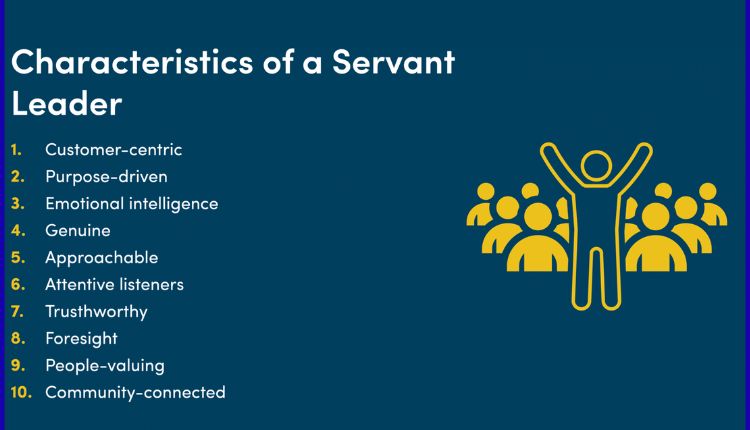
Servant Leadership: Applying the Principles of Support and Growth to the Project Team Context
In project management, a leader is often seen as the captain steering a ship through uncertain waters. Yet, the best captains don’t just shout orders from the deck—they listen to their crew, ensure everyone has what they need, and guide them toward success together. This philosophy is at the heart of servant leadership, a transformative approach that emphasises empathy, empowerment, and shared purpose.
Unlike traditional command-and-control leadership, servant leadership flips the hierarchy: the leader serves the team. In a world where collaboration and adaptability drive project success, this approach resonates deeply within modern project management practices.
The Heart of Servant Leadership: Leading by Serving
Servant leadership begins with the mindset that a project manager’s primary responsibility is to support their team. Imagine a gardener tending to plants—the gardener doesn’t force them to grow but creates the right environment for growth. Similarly, servant leaders remove obstacles, provide resources, and nurture individual strengths.
In this context, leadership becomes less about authority and more about stewardship. Teams led by servant leaders often demonstrate higher morale, stronger collaboration, and greater innovation. They feel seen and supported, leading to higher productivity and mutual trust.
For professionals aiming to strengthen such leadership values, structured learning programmes like PMP training in Bangalore provide valuable frameworks that help translate these ideas into practical project management techniques.
Empowerment over Control: Trust as the Foundation
A servant leader recognises that trust, not control, is the cornerstone of effective teamwork. Micromanagement suffocates creativity, while empowerment encourages ownership and accountability. When project managers empower their teams to make decisions, they unlock a sense of autonomy that drives motivation and performance.
This approach requires vulnerability—trusting others to deliver without constant oversight. But when trust becomes mutual, teams rise to the occasion. They take initiative, solve problems creatively, and maintain alignment with project goals even under pressure.
Empowerment also means recognising and celebrating contributions, no matter how small. It transforms the project environment into one where people feel valued and inspired to excel.
Servant Leadership in Practice: Listening and Learning
Servant leadership is not an abstract theory—it’s grounded in everyday behaviours. Active listening is its most powerful tool. When project managers listen to team members’ challenges, they uncover the real issues that hinder progress.
This might mean understanding personal constraints, emotional stressors, or technical roadblocks. Leaders who listen can then respond with empathy and targeted support. In doing so, they demonstrate that success isn’t just measured in milestones met, but in people empowered.
Leaders adopting this mindset often create cultures of continuous learning, where feedback flows openly and mistakes are treated as opportunities to grow rather than failures to punish.
The Ripple Effect: Building High-Performance Teams
The beauty of servant leadership is its ripple effect. When a leader serves the team, the team, in turn, serves the project—and the organisation benefits as a whole. This creates a self-sustaining cycle of accountability, trust, and engagement.
Projects thrive because team members feel aligned not by obligation but by shared purpose. Conflicts are resolved more constructively, creativity flourishes, and turnover rates drop dramatically.
Programmes like PMP training in Bangalore often integrate these leadership philosophies to prepare professionals for real-world challenges. They bridge the gap between theory and application, teaching how empathy-driven leadership can directly influence project outcomes.
Conclusion: Redefining Leadership for the Modern Project Era
In today’s dynamic project environments, success isn’t about rigidly enforcing plans—it’s about inspiring people to believe in the mission and in themselves. Servant leadership brings humanity back to management by shifting focus from authority to accountability, from power to purpose.
The servant leader doesn’t stand above the team but beside them, guiding, listening, and empowering. By embracing this mindset, project managers cultivate resilience, innovation, and trust—the cornerstones of sustainable success.
Ultimately, servant leadership transforms projects from tasks into shared journeys—where every milestone reached is a collective victory and every challenge overcome a testament to the strength of the team.