
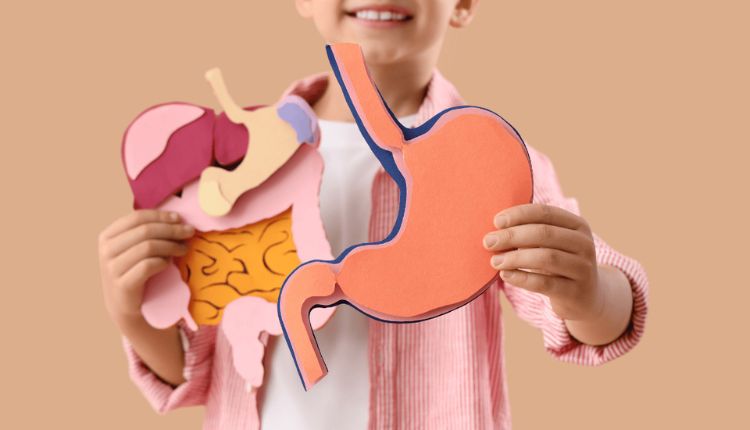
How Specialized Care Helps in Managing Child Digestive Disorders
Child digestive disorders are becoming increasingly recognized due to better awareness, early diagnosis, and improved access to medical expertise. Conditions such as chronic abdominal pain, reflux, constipation, and food intolerance require careful evaluation and long-term management. In many cases, families seek guidance from a paediatric gastroenterologist in Khammam to understand the root cause of symptoms and ensure appropriate treatment tailored to a child’s age and development.
Specialized care plays a crucial role in managing these conditions effectively because children require a different medical approach compared to adults. Their digestive systems are still developing, and even minor imbalances can significantly affect growth, nutrition, and overall well-being.
Understanding Digestive Disorders in Children
Digestive disorders in children can range from mild and temporary issues to chronic conditions that require ongoing care. Early recognition of symptoms is essential for effective treatment.
Common Conditions Include:
- Gastroesophageal reflux (acid reflux)
- Chronic constipation
- Food allergies and intolerances
- Irritable bowel-related symptoms
- Abdominal pain without clear cause
These conditions may affect appetite, energy levels, and growth if not properly managed. Timely consultation with specialists ensures accurate diagnosis and prevents complications.
Why Specialized Pediatric Care Matters
Children are not just young adults; their medical needs are unique. Specialized pediatric care focuses on understanding growth patterns, dietary needs, and developmental changes.
Key Benefits of Specialized Care:
- Age-appropriate diagnosis and treatment methods
- Gentle, child-friendly examination techniques
- Focus on growth, nutrition, and development
- Long-term digestive health monitoring
- Reduced risk of unnecessary medication or interventions
A trained specialist can identify subtle symptoms that may otherwise go unnoticed, ensuring early intervention and better outcomes.
Role of Accurate Diagnosis in Treatment
Accurate diagnosis is the foundation of effective treatment. Digestive disorders often present similar symptoms, which makes identifying the exact cause essential.
Diagnostic Approaches Include:
- Detailed medical history and symptom tracking
- Physical examination and clinical evaluation
- Laboratory tests, such as stool or blood analysis
- Imaging studies, when required
- Dietary pattern assessment
In some cases, families consult a paediatric gastroenterologist in Khammam to ensure that advanced diagnostic methods are used to accurately identify gastrointestinal conditions and rule out more serious underlying issues. Proper diagnosis helps avoid incorrect treatment and ensures faster recovery.
Importance of Dietary Management
Diet plays a central role in managing digestive disorders in children. A well-balanced diet supports healing, improves gut health, and ensures proper growth.
Dietary Strategies May Include:
- Increasing fiber intake for constipation management
- Avoiding trigger foods in allergy or intolerance cases
- Encouraging small, frequent meals for easier digestion
- Ensuring proper hydration throughout the day
- Including probiotic-rich foods for gut balance
Nutrition plans are often customized based on the child’s condition, age, and tolerance levels. Even small dietary adjustments can lead to significant improvements in symptoms over time.
Monitoring Growth and Development
Digestive disorders can have a direct impact on a child’s physical growth and development if not managed properly. Regular monitoring ensures that treatment is effective and nutritional needs are being met.
What Specialists Track:
- Weight and height progression over time
- Nutrient absorption and deficiencies
- Energy levels and daily activity patterns
- Developmental milestones and overall health
Continuous monitoring allows doctors to adjust treatment plans and dietary recommendations as needed, ensuring steady and healthy development.
Emotional and Behavioral Support
Chronic digestive issues can also affect a child’s emotional well-being. Discomfort, dietary restrictions, and frequent medical visits may lead to anxiety, irritability, or stress.
Support Strategies Include:
- Gentle communication during medical consultations
- Creating a calm and reassuring environment
- Encouraging positive food habits without pressure
- Educating parents about condition management
- Providing emotional reassurance to both child and family
A supportive environment plays a major role in improving treatment outcomes and helping children feel more comfortable during their recovery journey.
Multidisciplinary Approach to Care
Managing digestive disorders often requires collaboration between different healthcare professionals to ensure complete and effective care.
Team-Based Care May Include:
- Pediatric gastroenterologists
- Pediatricians for overall health monitoring
- Nutritionists for diet planning
- Behavioral specialists, when needed
- Supportive nursing care
In more complex cases, families may also consult the best gastroenterologist pediatric in Khammam to ensure advanced treatment strategies are applied for better symptom control and long-term stability.
When Neurological Factors Are Involved
Some digestive issues may be linked to neurological conditions that affect gut function, muscle coordination, or digestive regulation. In such cases, a broader medical evaluation becomes essential.
Integrated Care Benefits:
- Identification of neurological and digestive connections
- Coordinated treatment plans across specialties
- Improved symptom management outcomes
- Better long-term developmental support
This is where collaboration with the best pediatric neurologist becomes important, ensuring that both neurological and digestive aspects are addressed together for comprehensive care.
Long-Term Management and Lifestyle Adjustments
Many digestive disorders require long-term care rather than short-term treatment. Lifestyle modifications play an important role in maintaining digestive stability.
Long-Term Strategies:
- Establishing consistent meal timings
- Maintaining balanced nutrition habits
- Encouraging physical activity for gut health
- Regular follow-ups with specialists
- Managing stress and emotional well-being
These strategies help reduce the recurrence of symptoms and improve the overall quality of life for the child.
Importance of Parental Awareness
Parents play a crucial role in identifying early symptoms and ensuring adherence to treatment plans. Awareness and timely action can significantly improve outcomes.
Key Awareness Points:
- Persistent digestive symptoms should not be ignored
- Sudden changes in appetite or bowel habits need attention
- Regular pediatric check-ups are essential
- Early consultation leads to better recovery outcomes
Educated and proactive parents contribute significantly to successful long-term management.
Conclusion
Specialized care is essential for effectively managing child digestive disorders, as it ensures accurate diagnosis, personalized treatment, and continuous monitoring of growth and development. With the right medical support, children can achieve better digestive health and overall well-being.
For families seeking structured, reliable, and comprehensive pediatric support, Institutions like Ankura Hospital provide comprehensive pediatric care with a strong focus on child health, advanced diagnostics, and multidisciplinary treatment approaches. Their commitment to excellence ensures that families receive reliable guidance and support throughout their healthcare journey, while also addressing complex needs that may require collaboration with specialists, such as the best pediatric neurologist, for holistic care.


