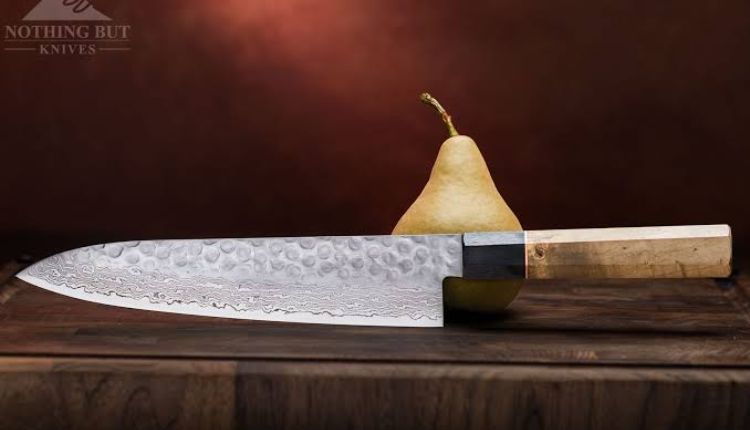
Why Are Damascus Steel Kitchen Blades Becoming the Choice of Modern Chefs?
A quality knife is one of the most important tools in any kitchen. Whether preparing meals at home or working in a professional restaurant, chefs rely on precision, durability, and comfort to perform their tasks efficiently. This is why many culinary experts invest in professional cooking knives that offer exceptional performance and reliability. Among the many options available today, handcrafted blades and premium materials continue to attract attention from both professionals and passionate home cooks.
The growing popularity of artisan kitchen cutlery reflects a desire for tools that combine craftsmanship with practical functionality. These knives are often carefully designed to provide superior balance, sharpness, and long-term durability. In addition, many chefs appreciate the unique appearance and personal touch that handcrafted kitchen tools bring to their cooking experience.
What Makes Professional Cooking Knives Different
Professional cooking knives are designed to withstand intensive daily use. Unlike standard kitchen knives, they are manufactured with a strong focus on edge retention, balance, and ergonomic handling. Professional chefs often spend hours preparing ingredients, making comfort and efficiency essential factors.
The blade geometry of professional knives allows for cleaner cuts and greater precision. This helps preserve the texture and appearance of ingredients while reducing the effort required during food preparation. A well-crafted knife can improve speed, consistency, and overall kitchen performance.
Another key advantage is durability. Professional-grade knives are built to maintain their sharpness for longer periods, reducing the frequency of sharpening and ensuring dependable performance during demanding kitchen tasks.
The Advantages of a High Carbon Steel Chef Knife
A high carbon steel chef knife is widely respected for its outstanding cutting ability. High carbon steel contains a greater percentage of carbon compared to standard stainless steel, resulting in a harder blade that can hold a sharper edge.
One of the main benefits of a high carbon steel chef knife is edge retention. The blade remains sharp through extensive use, allowing chefs to perform precise cuts with minimal resistance. This is particularly valuable when working with vegetables, meats, herbs, and delicate ingredients.
High carbon steel also responds well to sharpening. Even after prolonged use, the blade can often be restored to an exceptionally sharp condition with proper maintenance. Many professional chefs appreciate this characteristic because it allows them to maintain peak performance throughout the life of the knife.
Although high carbon steel may require more care to prevent corrosion, many users consider the additional maintenance worthwhile due to the superior cutting experience it provides.
Why Artisan Kitchen Cutlery Continues to Grow in Popularity
The appeal of artisan kitchen cutlery extends beyond appearance. These knives are often handcrafted by skilled makers who focus on every detail of the manufacturing process. From blade forging to handle shaping, each component receives careful attention.
Many artisan knife makers use traditional techniques combined with modern metallurgy to create products that offer both beauty and functionality. As a result, chefs can enjoy tools that perform exceptionally well while also reflecting a high level of craftsmanship.
The uniqueness of artisan kitchen cutlery is another major attraction. Unlike mass-produced knives, handcrafted pieces often feature distinctive patterns, custom handles, and individual design elements that make every knife feel special.
For many culinary professionals, using a handcrafted knife creates a stronger connection with their tools and enhances the overall cooking experience.
Choosing the Right Knife for Your Kitchen
Selecting the right knife depends on several important factors. Blade material, handle design, weight, and intended use all influence performance and comfort.
A chef who values maximum sharpness may prefer a high carbon steel chef knife due to its excellent edge retention. Those who prioritize ease of maintenance may choose a stainless-steel alternative. However, many premium knives now combine the benefits of both materials through advanced steel formulations.
Handle comfort is equally important. A knife should feel secure and balanced in the hand, allowing for extended use without excessive fatigue. Professional cooking knives are often designed with ergonomics in mind, helping users maintain control during repetitive cutting tasks.
Before purchasing a knife, it is helpful to consider the types of food most frequently prepared. Different blade shapes and lengths may be better suited for specific culinary tasks.
Proper Care and Maintenance
Even the finest knife requires proper care to achieve its full potential. Regular maintenance helps preserve sharpness, appearance, and overall performance.
Knives should be cleaned by hand immediately after use and thoroughly dried before storage. Dishwashers can expose blades to excessive moisture, heat, and impact, potentially reducing their lifespan.
Sharpening should be performed as needed using appropriate tools such as whetstones or professional sharpening systems. Consistent maintenance helps ensure that professional cooking knives continue to deliver precise cutting performance.
Storage is another important consideration. Knife blocks, magnetic strips, and protective blade guards can help prevent unnecessary wear and protect the cutting edge from damage.
The Long Term Value of Premium Kitchen Knives
Investing in a high-quality knife often results in long-term savings and improved kitchen efficiency. While premium knives may require a higher initial investment, their durability and performance frequently justify the cost.
A well-maintained high carbon steel chef knife can remain a trusted kitchen companion for many years. Similarly, artisan kitchen cutlery often combines superior materials and expert craftsmanship, providing exceptional value over time.
For professional chefs, reliable tools contribute directly to productivity and consistency. Home cooks also benefit from improved cutting precision, greater comfort, and a more enjoyable cooking experience.
As culinary standards continue to evolve, demand for professional cooking knives remains strong. Consumers increasingly recognize the advantages of investing in tools that enhance both performance and craftsmanship.
Conclusion
Professional chefs understand that great cooking begins with the right tools. Professional cooking knives provide the precision, durability, and comfort needed for demanding kitchen environments. A high-carbon steel chef knife offers exceptional sharpness and edge retention, while artisan kitchen cutlery delivers a unique combination of craftsmanship and functionality. By selecting a quality knife and maintaining it properly, cooks can enjoy improved performance, greater efficiency, and a more rewarding culinary experience for years to come.